Whether you’re using resistance bands for your own mobility or guiding others through a stretch class, everything starts with understanding the foundations. This chapter gives you the essential principles that promote effective, safe and purposeful band stretching, for you and your clients.


What you’ll learn in this chapter:

  • The core principles of band-assisted stretching
  • How to apply those principles in both self-practise and class settings
  • The difference between passive, active, and resisted stretching
  • How to cue effectively when teaching with bands
  • The importance of breathing, control, and posture
  • Common mistakes to watch for when teaching others

Types of Band Stretching

Let’s firstly explore the three key stretching techniques you’ll use and teach throughout this course:
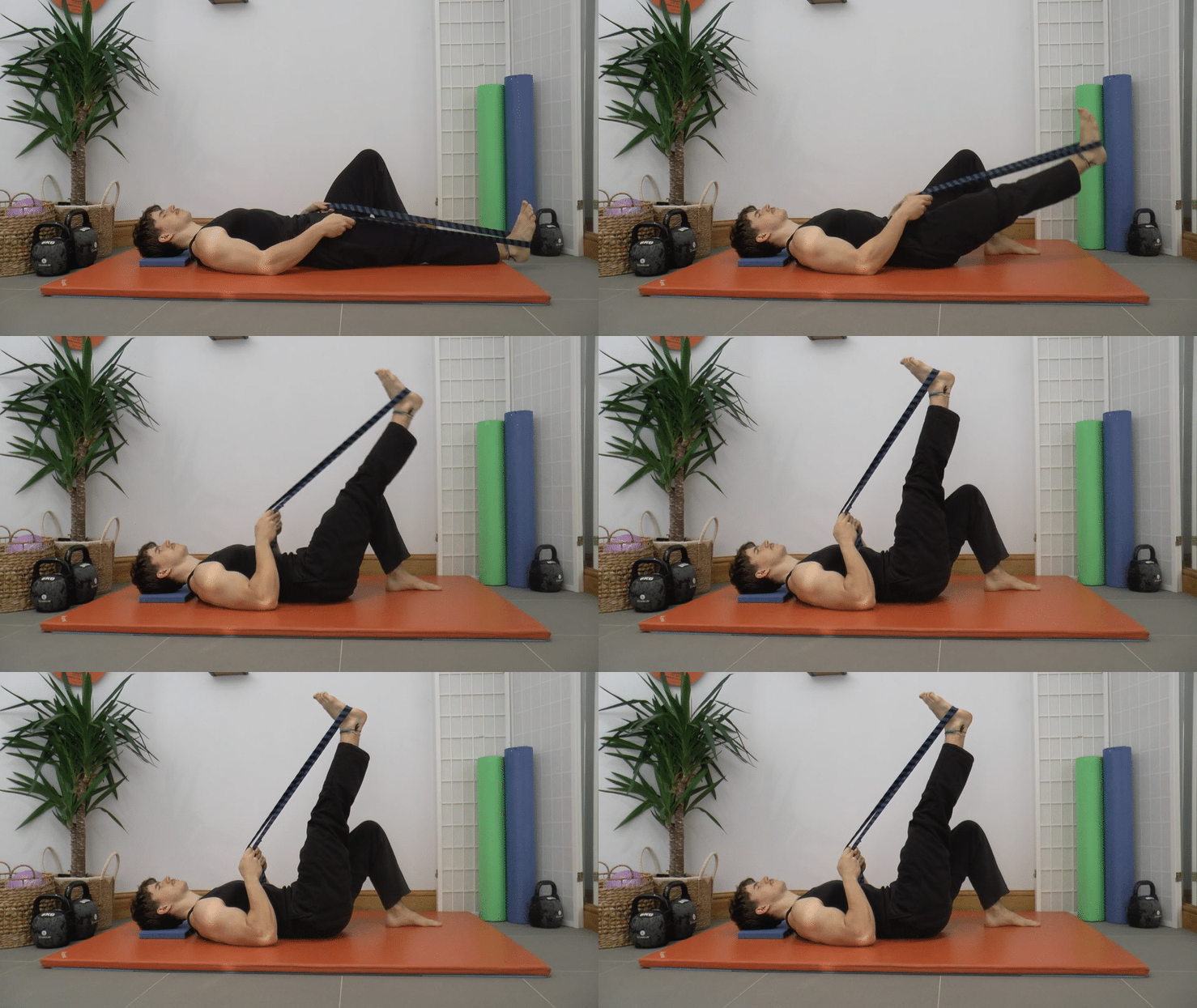
1. Passive Band Stretching

Hamstring passive Giff

What it is:

Let the band support the stretch, allowing the body to relax and release into it.

Why it’s useful:
  • Great for flexibility, relaxation and gentle mobility
  • Ideal for beginners or those recovering from injury
  • Helps deep stretch without force

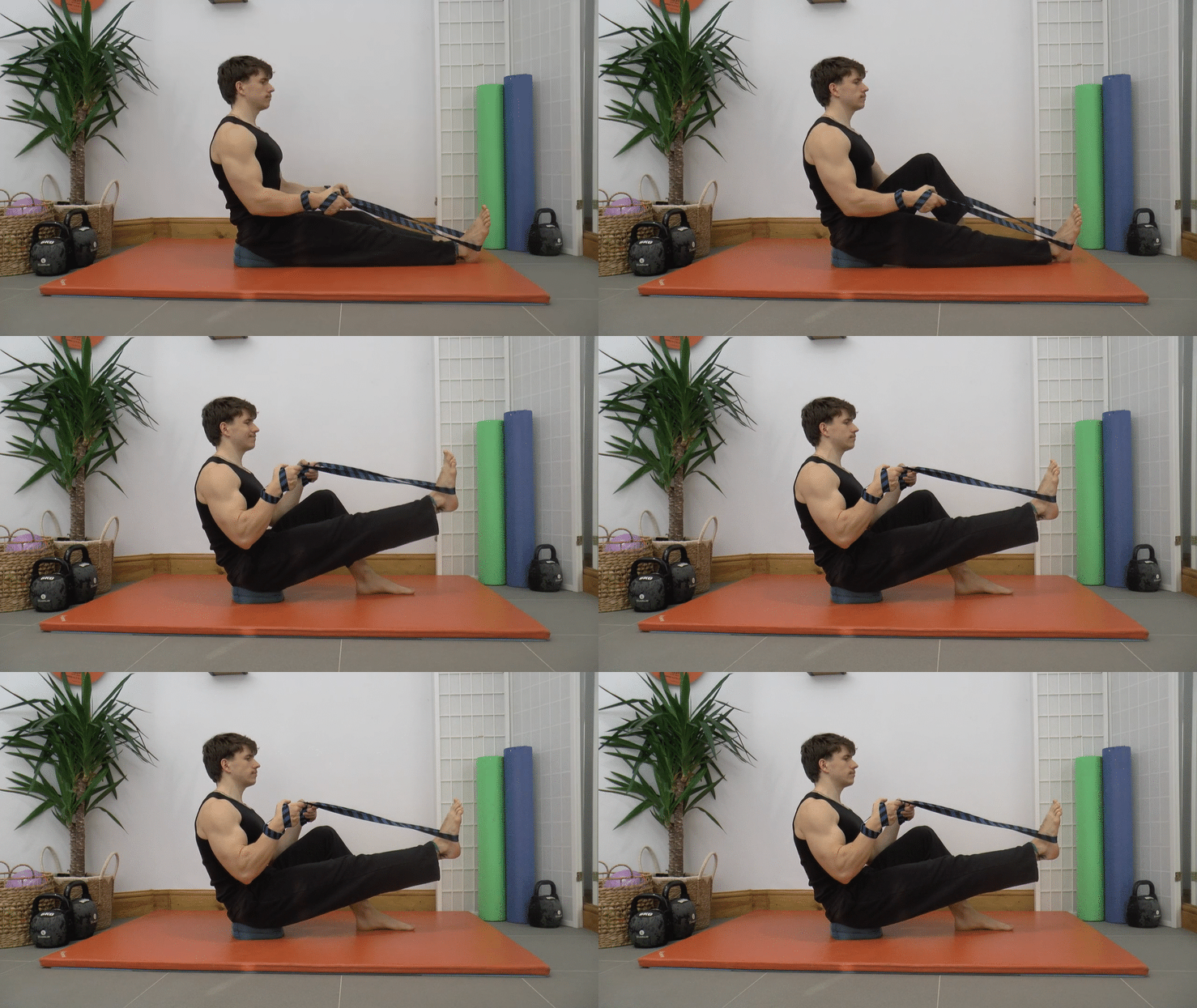
2.Active Band Stretching

What it is:
You engage your muscles to create and hold the stretch, with the band offering guidance, not assistance
Why it’s useful:
  • Builds strength within the range of motion
  • Encourages control and stability
  • Improves joint health and performance

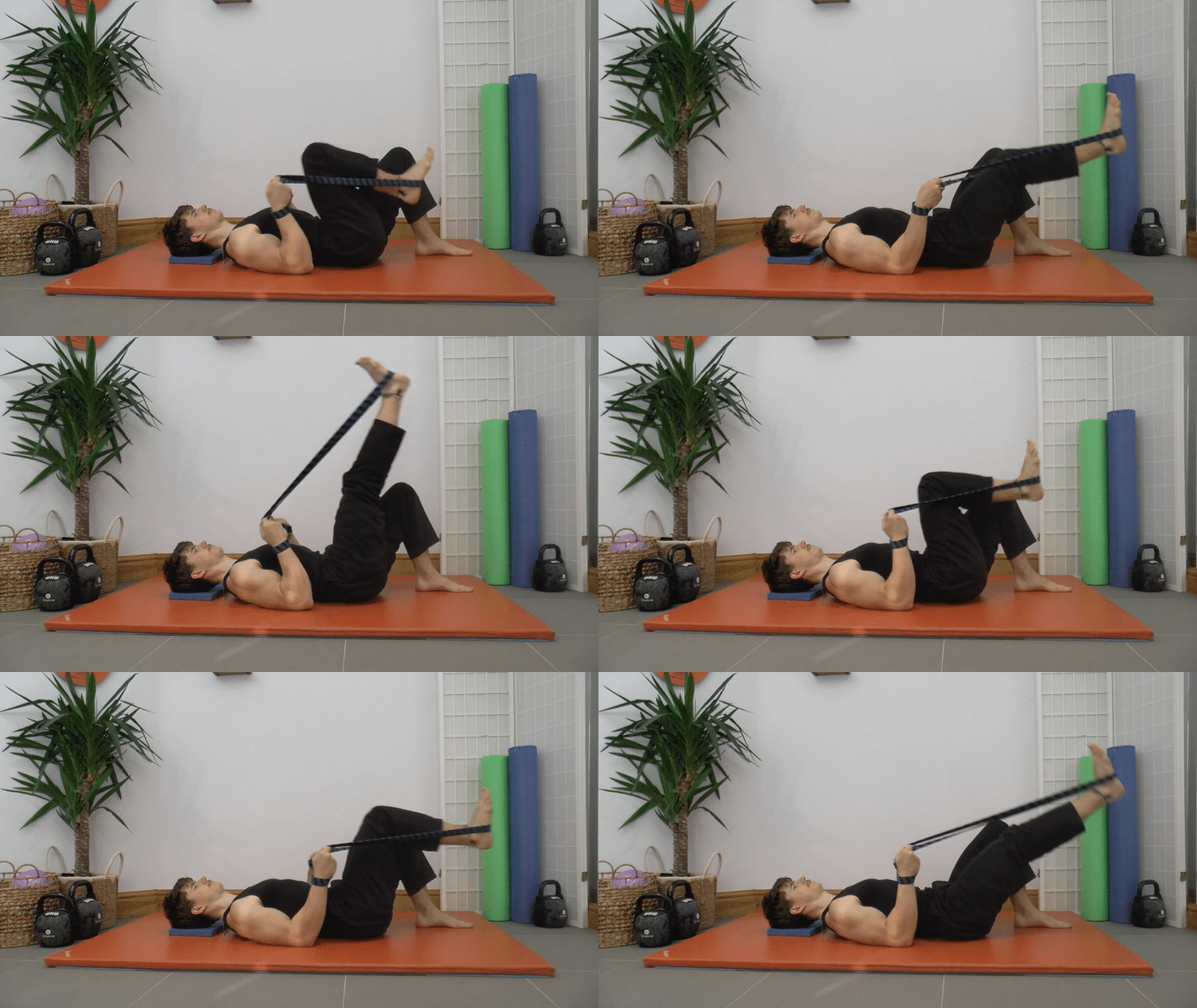
3.Resisted Band Stretching

You use the band to create resistance against movement – challenging the muscle through its full range.

Why it’s useful:

  • Combines stretching with strength training
  • Improves end-range control
  • Helps with injury prevention and joint stability

Alignment Matters

  • Don’t let the band pull participants out of alignment – watched for twisted hips, rounded backs or shrugged shoulders
  • Teach participants to set up with care – most mistakes happen before the stretch even begins

Breathing:

Stretching with resistance, due to the increased intensity, can trigger the body’s stress response. But breathing keeps the nervous system calm and helps increase the range of motion. So, teach your participants (and remind yourself) to:

  • Inhale to create
  • Exhale to deepen into the stretch
  • Maintain a steady rhythm throughout the flow

More about the Breath in the next chapter ; )

Common Mistakes

  • Letting the band do too much: Reinforce control, don’t allow students to hang off the band.
  • Lack of alignment awareness: Constantly remind students to check posture and joint stacking.
  • Using too much resistance too soon: Always start with lighter bands to build and reinforce control
  • Rushing through Movements: Slow movements right down which will allow the nervous system to adapt and the muscles to lengthen safely

Key Technique Principles

Tension and Control
● You are the one controlling the band, it should never yank or collapse your posture
● Use enough tension to feel supported, not strained
● Start with lighter bands and increase resistance as control improves