We thought it would be quite useful to put a mini Alternatives workshop together to introduce more ideas and tools to help you feel confident when teaching your stretch class.

Ciaran and Donna Noll volunteered for the job!

We hope you enjoy the content!
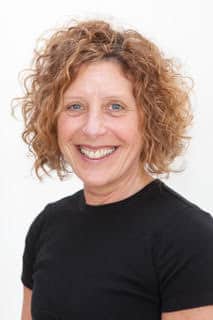
Donna, a purestretch Master Trainer, is a Pilates and Movement Educator and is in the business of making people feel alive, energetic and confident through inspiring forms of exercise. Donna’s delivery in classes and workshops is inspiring, using a combination of verbal, visual, and tactile cues to really enhance understanding … and … her laugh is totally contagious!


Creating alternatives or modifications for poses in your purestretch class ensure that all of your participants can enjoy the class safely and comfortably regardless of their physical abilities or limitations.

It allows each person to adapt poses to their own unique bodies without having to force themselves into a posture that might be challenging or even painful. 

Here’s why offering alternatives is important: 

  • Inclusivity:
    It creates a welcoming environment for individuals with injuries, limitations or those new to purestretch.
  • Safety:
    Alternatives can prevent injuries by avoiding poses that might strain joints, muscles, or other areas of the body.
  • Personalized Practice:
    By offering options, your participants will feel the class is tailored to their individual needs and levels, promoting a more positive experience.
  • Accessibility:
    Alternatives make purestretch more accessible to a wider range of people, including those who may not be able to perform the standard poses.

Offering alternatives in your class is a skill you need to perfect, having tools to hand and recognising those who really do need to take the easier option.

However … do your best to encourage progression rather than limitation. We are here to make our clients stronger and give them self-belief in their own capabilities Try not to get totally occupied and focussed in alternatives and be creative with your choreography so that everyone can enjoy the session.

In our experience there are 3 main key areas that tend to have injuries and/or limitations and therefore can cause issues and/or discomfort whilst stretching.

These are: 

  • Knees
  • Backs
  • Wrists

Knees:

It’s one of the largest joints in the body and more prone to injury and damage through wear and tear. Many clients will have limited movements due to a knee restriction, so you need to have access to alternative poses and toolsin order to take the stress and pressure off the knee.

Tools to use for knee issues:

Backs

Whether from an injury or degenerative disease most cases of back pain can be reduced with regular exercise and tailored workouts. Encouraging stretching and strengthening exercises can result in stronger muscles that support the spine and your body’s weight. When your body’s skeleton is supported, you are less likely to suffer injury and back pain. You will have those in your class that will need alternatives, but they will also need to have a confidence to move in their own body.

Tools to use for back issues:

Wrists:

Overuse, sprains and arthritis can cause issues and weakness in the wrists. I’m a real believer in encouraging my clients to strengthen their wrists by using them in poses but if it’s genuinely causing pain and discomfort .. you need to offer alternatives.

Tools to use for wrist issues:

Tools to use for randon issues:

What if I have no tools to hand?

There may be times that you don’t have these tools to hand so here’s a few videos to help with some regular sequences and poses that we use in a purestretch class.

Downward Dog:

Downward Dog is a whole-body stretch and strengthening position. Its main purposes are to:

  • Lengthen the calves, hamstrings and back of the legs
  • Open the shoulders and upper back
  • Strengthen the arms, shoulders and core
  • Create length through the spine
  • Improve body awareness and weight-bearing through the hands

It’s less about forcing the heels down and more about pushing the floor away while sending the hips up and back, creating one long line through the spine.

Pigeon Pose:

Pigeon pose is mainly used to open the hips.

  • Stretches the glutes and deep muscles of the front hip
  • Lengthens the hip flexors of the back leg
  • Encourages hip mobility
  • Can relieve tension around the lower back and pelvis

Keep the front foot wherever feels comfortable—it does not need to be parallel with the front of the mat. Keep the hips supported if needed and aim for a comfortable stretch in the front-leg buttock, never pressure in the knee.

Plank:

Plank is mainly used to build whole-body strength and stability.

  • Strengthens the core, shoulders, arms and chest
  • Encourages stability around the spine and pelvis
  • Strengthens the glutes and legs
  • Improves posture and body control
  • Builds wrist and shoulder weight-bearing strength

The aim is to keep one long, strong line from the head to the heels—without letting the hips sag or lifting them too high.

Roll-Up:

The Roll-Up is mainly used to strengthen the abdominals while improving spinal mobility.

  • Strengthens the deep core muscles
  • Mobilises the spine one section at a time
  • Stretches the back and hamstrings
  • Improves control and coordination
  • Encourages awareness of how the spine moves

The aim is to roll smoothly rather than using momentum—keeping the abdominals engaged as you lower and lift.

Cat n Cow:

Cat and Cow is mainly used to mobilise the spine.

  • Moves the spine through flexion and extension
  • Helps reduce stiffness through the back and neck
  • Gently engages the abdominals and back muscles
  • Mobilises the pelvis and shoulders
  • Connects movement with breathing
  • Improves awareness of spinal positioning

The aim is to move smoothly through the whole spine, rather than forcing the biggest possible arch or curve.

Lunge:

A lunge is mainly used to strengthen the legs and improve hip mobility.

  • Strengthens the glutes, quadriceps and hamstrings
  • Stretches the hip flexors of the back leg
  • Improves balance and stability
  • Builds control around the knees, hips and ankles
  • Challenges core and pelvic stability

The aim is to keep the front knee tracking in line with the toes while lengthening through the back hip.

Getting up safely with a Chair:

Excellent tuition form Donna on how to guide your clients safely back up from the floor.

We really hope that you found this mini Alternatives workshop useful.

This workshop will be updated on a regular basis with new ideas and content.

Stay in touch and .. Happy Stretching!